International Cupping Therapy Association(425) 999-2225
Cup On!
ICTA

TREATMENTS

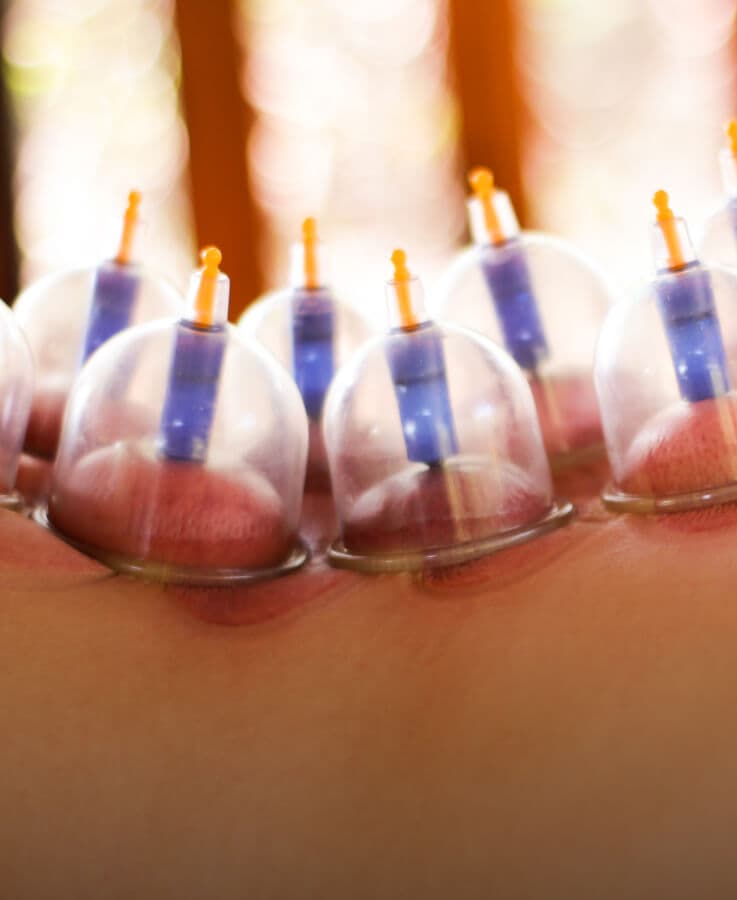
Cupping therapy treatment in session

On a deeper therapeutic level, cupping is very beneficial for many conditions such as high blood pressure, anxiety, fatigue, chronic headache, fibromyalgia, and neuralgia. Contracted, congested muscle tissue will soften quickly with only a few minutes of Negative Pressure Massage Cupping.

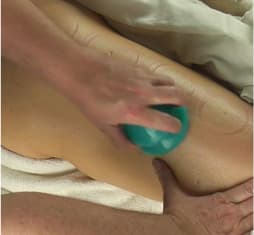
Used on the back, the larger cups will mimic the rolling action of myofascial release without discomfort to the client. The variety of movements can be long and draining, circular and vibrational for stimulation, and for areas of stubborn knots and rigid tissue. The skin will redden with strong pressure, indicating that the circulation has been brought to the surface.

Application of liniments, analgesics, tinctures, hydrosols, and essential oils immediately post-treatment will facilitate absorption of the product deeper into the tissue. The increased blood supply to the local muscles and skin will bring nourishment and stimulate the circulatory and lymphatic systems to carry away stagnation and toxins.

Another benefit of negative pressure is that it really feels great, and is not an irritant to the skin or body. It draws inflammation out, yet does not add to it. The pulling action engages the parasympathetic nervous system, allowing a deep relaxation to move through the entire body. It is not unusual to fall asleep when receiving this treatment. Clients are surprised at how relaxed, warm, and light they feel — hours, sometimes even days afterwards.

Innovative treatments are being explored all the time

Massage Cupping

Massage Cupping

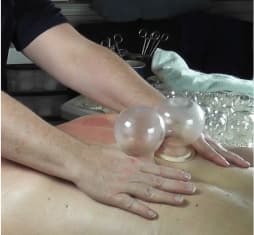
Massage Cupping is the combination of massage movements and negative pressure with the use of a suction device on the skin. Moving the cupping vessels on the body for massage has been commonplace throughout history.

Almost any massage modality can be enhanced by the addition of negative pressure. Cupping can be combined or used as a supplement to traditional massage sessions. The results from the cups are comparable to other expensive and often painful treatments that usually require large mechanical devices to deliver the results you expect.

The intended suction can range from light to heavy. This, along with the movements performed and areas treated by the therapist, produces stimulating (toning) or sedating (draining) effects. It is very important that therapists be able to effectively assess the condition (physical, mental, and emotional) of their clients before the procedure so they can employ the proper application of the cups to produce the desired outcome.

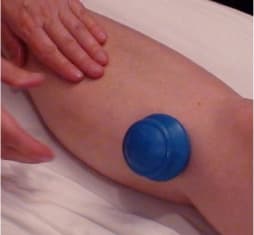
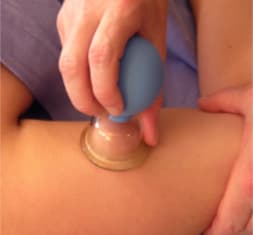
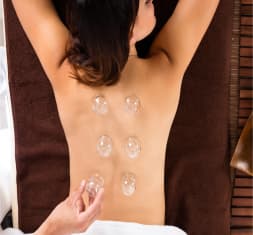
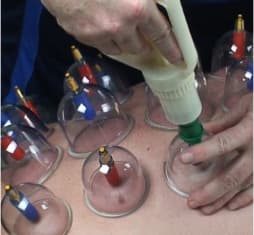
The traditional application involves inserting a flame into a glass cup to heat the air and create a vacuum, whereas the manual vacuum cups employ a hand pump. Other manual cups being introduced include silicone, rubber, and glass cups with rubber bulbs. A cup is positioned at the area to be treated and, depending on the type of cup being used, a vacuum is created within the cup to draw the skin and underlying tissue into the cup. The produced vacuum creates a suction effect that increases blood and lymphatic circulation systemically and to the local area, relaxes muscle tissue and support, draws stagnation, pathogenic factors, and toxins out of the body, and releases a myriad of pain-causing factors.
Biomagnetic Cupping

Biomagnetic Cupping

Biomagnetic Field Therapy holds so many all-encompassing, powerful effects that no one description of how they exert their positive therapeutic effects could adequately describe all the myriad and complex ways it affects mind and body.

From the perspective of biology, health is based upon the individual cells of the body vibrating at a characteristic normal frequency. Disease, on the other hand, represents an abnormal change in cellular vibration.

The therapeutic application of magnets, at the deepest level, is based on the principle of restoring normal cellular vibration, positively influencing the relationships throughout the entire body-mind process.

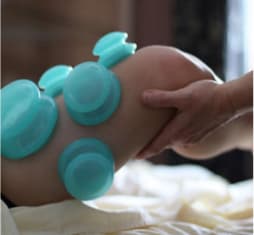
Advanced cupping sets that have separated the two opposing polarities give the therapist tools to provide specially designed treatments to exert specific effects and long-term changes.

Orthopedic Cupping

Orthopedic Cupping

Stubborn conditions that may have been present for decades are easily resolved with cupping.

Nothing works better at opening up and releasing joints, connective tissue, and muscles than the use of negative pressure and movement. Manipulation of the tissue during decompression and stretching the surrounding scaffold breaks up scar tissue, adhesions, trigger points, compacted muscle bands, and tension.

Specific Dynamic Cupping methods developed by the ICTA with the use of EarthSpa's Baguanfa Cups help to further increase range of motion, pain relief, and tissue metabolism.

Facial Cupping

Facial Cupping

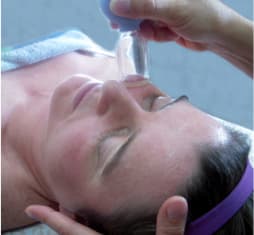
Women in Asia, Russia, and Europe have been utilizing these remarkable negative-pressure facial exercises for rejuvenation and maintenance for generations.

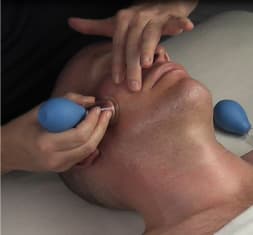
Protocols for the face use smaller cups to vacuum and lift the facial tissue, mimicking the pumping movements of lymphatic drainage. It is a manual method that replicates the effects of equipment currently in use in most top aesthetic establishments.

The benefits include increased local circulation of the skin, increased nutrients brought to the epidermis, and enhanced absorption of facial topicals. Drainage of stagnant fluids from reservoir areas reduces edema and chronic puffiness.

Lines and wrinkles soften and plump, whereas scar tissue softens from the decompression and subsequent movements.

The muscles of the face benefit tremendously from the reduction of tension and tightness — releasing expression lines and loosening rigid muscles associated with time, environment, and stress — making it an exceptionally powerful, effective, and surprisingly relaxing enhancement to any facial treatment.

PediCupping

PediCupping

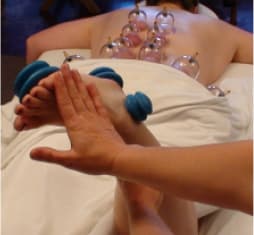
In general, providing cupping on the feet has been at best a difficult procedure due to the limitations of the tools available to practitioners. With the continued development of EarthSpa cupping equipment, decompression treatments on the feet have become a favorite throughout the health community and the public.

The PediCupping Protocol developed by the ICTA and taught in our workshop is a powerful synergistic treatment of biomagnetic reflexology, dynamic cupping, and plantar fascial release on the lower compartment and foot.

Foot problems like plantar fasciitis, arthritis, tarsal tunnel syndrome, medial calcaneal nerve entrapment, foot drop, extensor tendinopathy, midtarsal joint sprain, tibialis posterior syndrome, peroneal tendonitis, and general overuse can now be addressed with modern cupping equipment.

Cellulite

Cellulite

Another profoundly effective use of cups in negative-pressure bodywork is in the areas of cellulite formation.

The upscale spa industry has a myriad of equipment to choose from to treat cellulite, but these expensive treatments are time-consuming and receiving them can be downright painful. After years of clinical use we have discovered that cupping performs those same functions more effectively, faster, with longer-staying results, and with much less discomfort on both client and therapist.

The treatment involves prepping the entire structure, increasingly heavier work to stimulate circulation, loosen the connective tissues, and induce thixotropy. Lymphatic drainage with cups to finish the treatment provides the expulsion of congealed fat lobules crowding the chambers in the subcutaneous skin layer.

The efficacy of cellulite cupping is enhanced when combined with appropriate topicals and the client cocooned in a warm room for 20+ minutes. The affected areas should be treated prior to any body wrapping, to enhance the absorption of the topical. Clients will enjoy the warm feeling of cupped, stimulated tissue being treated with an essential oil blend, soothing algae, mud, or gel during the wrap.

Abdominal Cupping

Abdominal Cupping

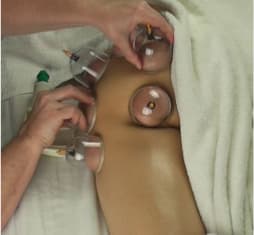
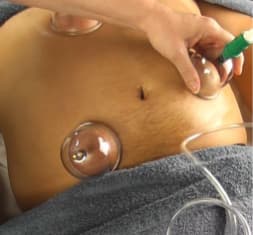
Cupping is an excellent therapy for the digestive system and the structure of the stomach as a whole. Decompression techniques stretch the walls of the organs, sloughing off stagnant waste and mucus and overall increasing the activity of digestion.

People consistently report expelling an excess amount of waste following abdominal treatments, with an increase of eliminations throughout several days following.

The opening and stretching actions of the abdominal vessels break up constipation, help move the client through episodes of diarrhea, minimize cramping pain during menstrual periods, release gas-causing distention, and reduce systemic acidity.

Cupping is regularly and successfully used to help manage a variety of conditions such as IBS, Diverticulosis, GERD, Ulcerative Colitis, and Crohn's Disease.

Myofascial Decompression

Myofascial Decompression

Poor posture, injury, illness, repetitive actions, inflammation, and stress negatively affect body alignment and cause fascia to become restricted. This results in excessive pressure on nerves, muscles, organs, blood vessels, and osseous structures — causing pain and impaired movement.

Successful MFR stretches fascia away from underlying structures. This treatment can be quite uncomfortable for the client.

With negative pressure, the fascia is gently stretched without the discomfort of force. Incorporating Dynamic Cupping with direct cup placement will decompact joint capsules and surrounding fascial scaffolding.

Integrating static-field magnets with some advanced equipment for biomagnetic applications has greatly increased the reduction of scar tissue, adhesions, trigger points, old injuries, and conditions resulting from disorganized fascia structures.

Trigger Points

Trigger Points

A trigger point is a hyperirritable spot — a palpable twisted knot in the taut bands of the skeletal muscles' fascia that are very sensitive to palpation and feel like tough, dense knots along the muscle.

Trigger points develop as a result of muscular injuries, strains, and trauma. When muscle fibers, fascia, ligaments, or tendons become weakened, overstretched, or inflamed, tiny tears in the associated soft tissue can occur.

As the tissue heals it contracts and restricts fresh blood supply needed by the muscle cells. There is often a shortening of the muscle fiber to protect itself from further injury.

Gentle cupping techniques easily decompact and unwind these bound-up bundles of fascia surrounding the nerves and muscles — solving the discomfort of force that traditional trigger-point therapy creates.

Sports Cupping

Sports Cupping

The use of suction is commonplace throughout the history of the Olympic Games on competing athletes.

Besides maintenance, injuries, and recovery, Olympic trainers use suction to draw toxins from the swimmers that have been absorbing the chemicals from the pools that they are in for many hours every day.

Dead cellular debris, poisons, stagnation, and excess fluids are drawn to the surface, sometimes leaving deposits which the circulatory and lymphatic systems can most effectively drain away.

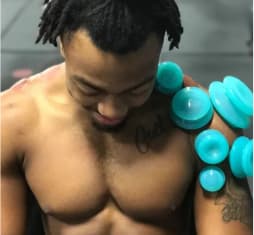
Cupping has spread throughout all aspects of sports — golfers, weight lifters, swimmers, runners, tennis players, and pro basketball, baseball, and football teams. Athletes are choosing cupping because it works. Virtually all aspects of athletics now use decompression techniques for pre-, intra-, and post-event sessions and recovery from injuries.

Cumulative cupping treatments increase muscle endurance, circulation, lung capacity, lymphatic drainage, and health maintenance during strenuous activities. Many professional athletes incorporate it into their training to enhance overall performance, agility, and ability to recover from their sports.

Lymphatic Drainage

Lymphatic Drainage

Manual Lymphatic Drainage (MLD) stimulates the body systems and enhances the regenerative healing process inherent to all well-functioning biosystems. MLD treats fluid retention and redirects cellular by-products back into the circulatory systems to be effectively flushed out of the body.

Therapists that do lymphatic drainage know how difficult and time-consuming this system is to treat with compression. Cupping does the opposite — it stretches open, rather than closing, the lymphatic vessels. When moving through the watershed, fluid is pulled along the opened passages. These actions dramatically increase the movement of lymph locally and systemically with cumulative treatments.

Increasing lymphatic output increases the immune system's ability to detoxify the body and respond to stressors put onto it by disease, chemicals, stress, and electromagnetic fields. Cupping provides the perfect solution to traditional MLD — speeding up treatment time with a far more effective outcome, and relatively painlessly for the patient.

Sinus Decompaction

Sinus Decompaction

Sinusitis is an inflammation of the sinuses that can cause them to get blocked and filled with fluid. It is usually caused by cold or allergies.

By creating space and circulation, cupping helps relieve sinus compaction and inflammation — by stretching the soft tissue inside the sinus cavities, breaking the bond adhering the mucoid congestion to remain and congeal inside the cavities.

Negative-pressure lymphatic drainage further assists by dredging the mucus into the throat, rather than head or ears, which makes it easier to safely expel the discharge.

TMJ Treatment

TMJ Treatment

Temporomandibular joint disorder (TMJD) is defined as problems in the jaw when opening the mouth.

This joint acts like a hinge, connecting the jaw bone to the skull. TMJD is caused by trauma to the jaw or teeth, grinding, dental issues, jaw clenching, poor posture, arthritis, whiplash — even stress can contribute.

Chewing and talking can cause popping, clicking, and at times the jaw gets stuck.

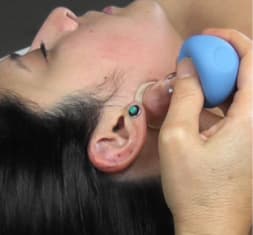
Cupping for TMJ can be extremely beneficial to people who suffer from this disorder. Suction helps to open up the joint, loosen the musculature and fascia around the jaw, increase circulation and drainage, relieve tension, and release and calm the nerves involved.

Used in tandem with joint manipulation, the pressure and pain associated with TMJD's are relieved as inflammation is decreased and nerves relax. Cupping should not be done over an infected tooth as the infection can spread.

Detoxification Treatments

Detoxification Treatments

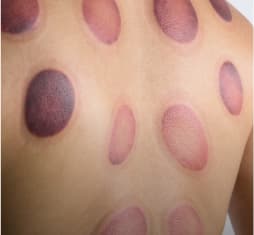
We live toxic lives in a toxic world. Not only do we have a lifetime of bad habits (sugar, fast food, drugs, alcohol, preservatives) — often, when a condition from old injuries exists within deeper structures, toxins are dredged up during decompression treatments and marks will appear on the skin surface.

Unless an improper treatment was done, no "bruising" occurs. What these marks are is stagnation, dead cellular debris, pathogenic factors, and — most importantly — toxins being drawn out of deeper structures to be flushed out of the system. Some capillary seepage occurs, but it is minimal compared to the acidic agents being removed.

Blood tests have been done to measure the levels of chemicals, toxins, pesticides, pharmaceuticals, and acids being drawn out of the body — with shocking results.

Nothing pulls free-radical, toxic, and poisonous molecular debris from the body better than suction.

Thai Massage Cupping

Thai Massage Cupping

One traditional method of cupping includes the combination of Thai Massage and cupping together.

Practitioners have used different cupping methods along with traditional Thai massage movements for generations.

With the next generation of the flexible Baguanfa Cups, cupping in concert with Thai Massage is less limiting in the scope of movements and stretches, and is far easier to perform with less stress on the client and the practitioner.

Aquatic Cupping

Aquatic Cupping

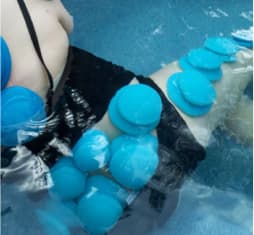
A new concept in using suction on the body is its use in the water. Cupping underwater is now possible with the Baguanfa Cups — which work as well submerged as they do out of water.

Practitioners use suction on their patients in a variety of hospital, spa-based, and private clinic facilities, and natural water sources such as mineral springs and salt water.

The additional stretching of the tissues at the joints, muscles, and connective structures makes any assisted modalities — including Watsu, hydrotherapy, and water relaxation techniques — more effective with the use of decompression for comfortable and easy-to-administer treatments.

Clients report enhanced comfort during water treatments with sustained results afterward.

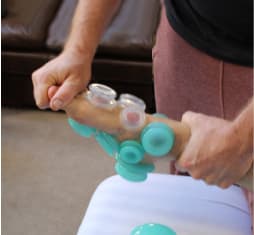
Self-application of these cups is simple and can help alleviate aches and pains people contend with every day.

Spa Treatments

Spa Treatments

As the popularity of cupping has increased exponentially with the public over the last couple of decades, it has concurrently drawn the attention of spas throughout the world.

Top-shelf spas like Mandarin, Red Door, and the famous Gurneys to destination spas in Costa Rica, Hawaii, Tokyo, and Bali now offer numerous cupping treatments — as stand-alone or in conjunction with complementary treatments. Even the cruise lines have cupping treatments on their spa menus, and of course smaller, more intimate spas everywhere have signed on to the amazing power that cupping can bring.

Adding cupping into any topical body treatment not only enhances absorption of applied products but assists in the drainage of stagnant fluids. When combined with any number of adjunct therapies, elements, and topicals, cupping brings a whole new level of positive outcomes and treatment potentials not previously conceived.

Essential oils, clays, thalasso, and mud-based blends applied over a series of treatments have proven to be extraordinarily effective in dealing with the effects of current lifestyles such as weight reduction, detoxification, addictions, smoking cessation, and much more.

Cupping turns the luxury of the spa into a true holistic, full-system, encompassing experience.

Equine Cupping

Equine Cupping

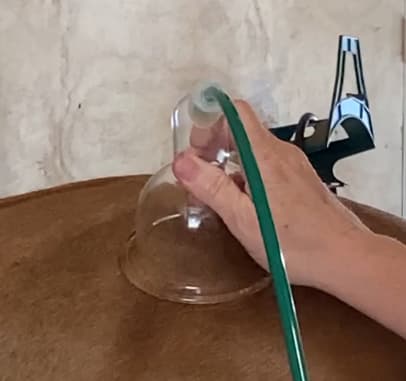
Although still in its R&D stages of development, equine and canine cupping is showing extraordinarily promising results in the trial study cases underway.

EarthSpa R&D is working with a specialized machine that enables the therapist to do decompression work through the prepared hair coats of horses and dogs.

Our Austrian partner at Schropfmaster, Georg Kreuzberger, developed a machine called the Cupping Master in 2017 — designed with a powerful pump using pulsation. Vacuum pressure as well as pulsation intervals are gradually adjustable. The slow pulses have a calming effect on the animal and the treatment is very well accepted.

Once the ICTA has put this new application through sufficient testing, we will launch a training program and make available the techniques and equipment equine therapists can use to bring their practices to an elevated level.

Cupping combines beautifully with these modalities

  • Acupuncture
  • Aesthetics
  • Alexander Technique
  • Aromatherapy
  • Chinese Medicine Herbalists
  • Chiropractic
  • Kinesiology
  • Occupational Therapy
  • Osteopathy
  • Polarity
  • Physiotherapy
  • Reconstructive Surgery
  • Shiatsu
  • Tui-Na